Free & Confidential Case Evaluation
* No cost to file. Review takes less than 2 minutes.
If your infant was diagnosed with NEC (Necrotizing Enterocolitis), Short Bowel Syndrome (SBS), or another gastrointestinal injury you may be able to file a claim for potential compensation.

Free consultation to assess your claim
Expert analysis of your medical records
File lawsuit against manufacturers
Secure maximum settlement for you
In a mass tort, victims are treated as individuals and the specific merits of each claim are taken into consideration. In a class action, every victim has a similar injury and is treated identically.
The benefit of mass tort litigation is that plaintiffs have more power in settlement negotiations which ultimately lead to significantly greater payouts compared to class actions.
2024 - Manufacturing giant Mead Johnson was ordered to pay $60 million to parents after their baby formula was found liable for putting preemies at increased deadly disease risk.
Ongoing - $10 billion settlement Roundup weed killer linked to Non-Hodgkins Lymphoma and other cancers
2020 - $2.1 billion verdict for 22 claimants Asbestos in Johnson & Johnson's talcum powder linked to ovarian cancer
2015 - $2.37 billion settlement for 9,000+ claimants Actos drug by Takeda Pharmaceuticals linked to bladder cancer
Necrotizing enterocolitis (NEC) is a severe disease affecting the intestines of premature infants, usually occurring within the first two weeks of life in formula-fed babies. Bacteria infect and inflame the intestinal wall, leading to weakened walls that can crack and leak germs into the abdomen, potentially causing serious infection or death if untreated.
Infections from NEC often require surgery, which can result in further gastrointestinal issues like Short Bowel Syndrome (SBS). SBS involves surgical removal of parts of the intestine, reducing nutrient absorption and increasing health risks for the infant.
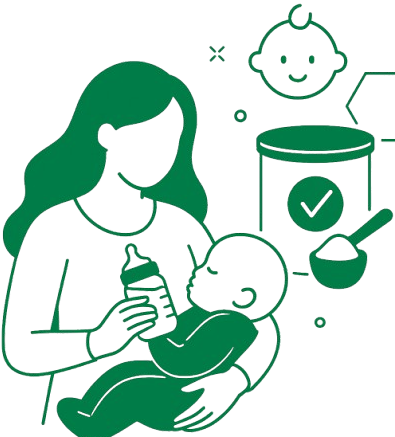
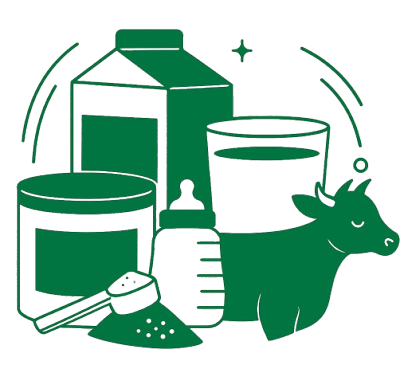
Research links NEC to certain cow milk-based infant formulas. A 1990 study found NEC was 6-10 times more common than in those fed breast milk alone.
In 2011, Johns Hopkins Medical Institution discovered that extremely premature babies fed human donor milk were less likely to develop NEC than those fed standard premature infant formula derived from cow’s milk.
Infant formula manufacturers face numerous lawsuits for failing to warn about the NEC risk. They must inform parents about the potential dangers of cow milk-derived formulas to prevent further harm.
Take action now to help protect more children from manufacturers' negligence.
Signs and Symptoms of Necrotizing Enterocolitis (NEC)
Abdominal swelling or bloating
Bloody stools or signs of intestinal bleeding
Feeding intolerance or vomiting
Lethargy or reduced responsiveness
Low body temperature or instability
Apnea (pauses in breathing)
Bradycardia (slow heart rate)
Necrosis of the intestinal tissue
Sepsis or bloodstream infection
You may be eligible for significant compensation. Take the first step toward justice.